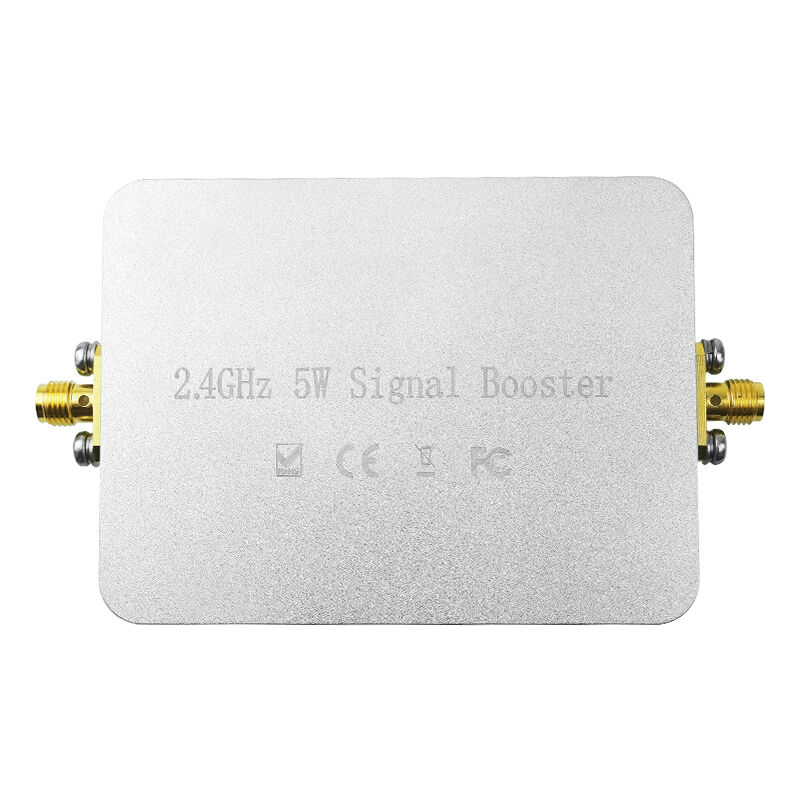
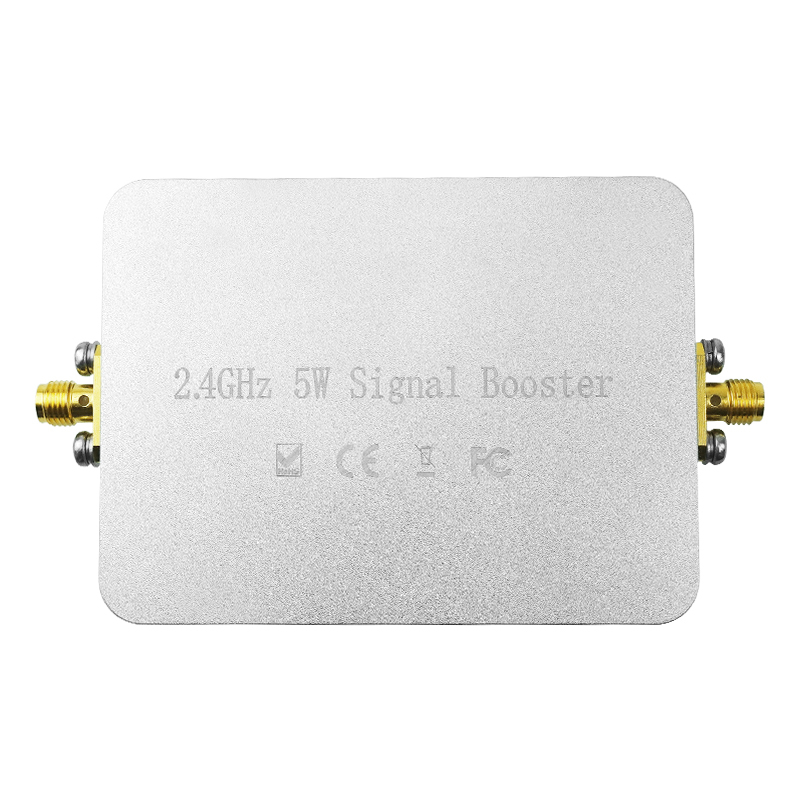
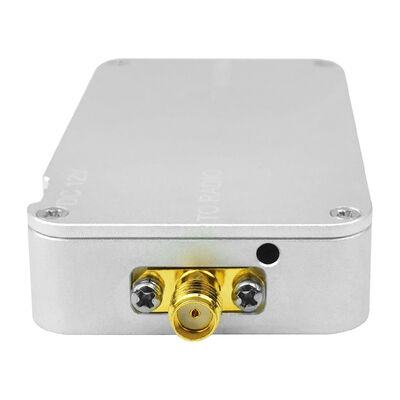
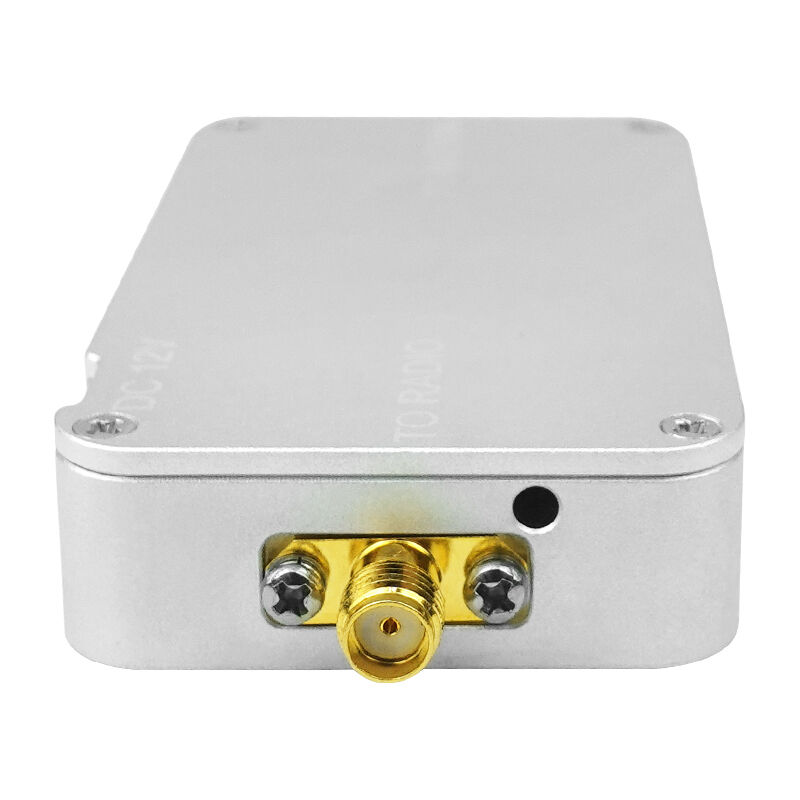
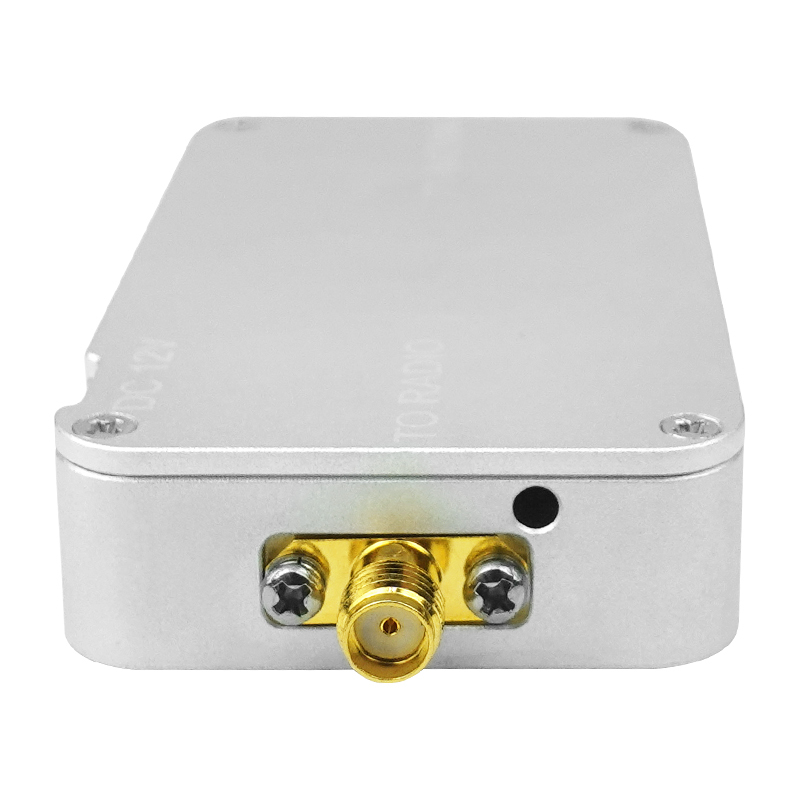
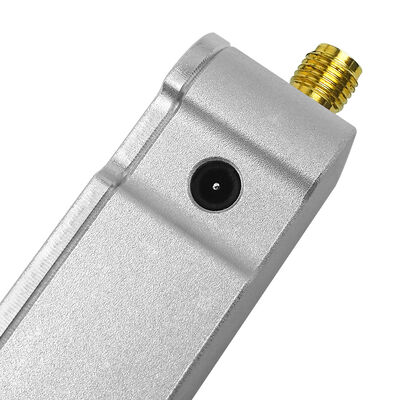
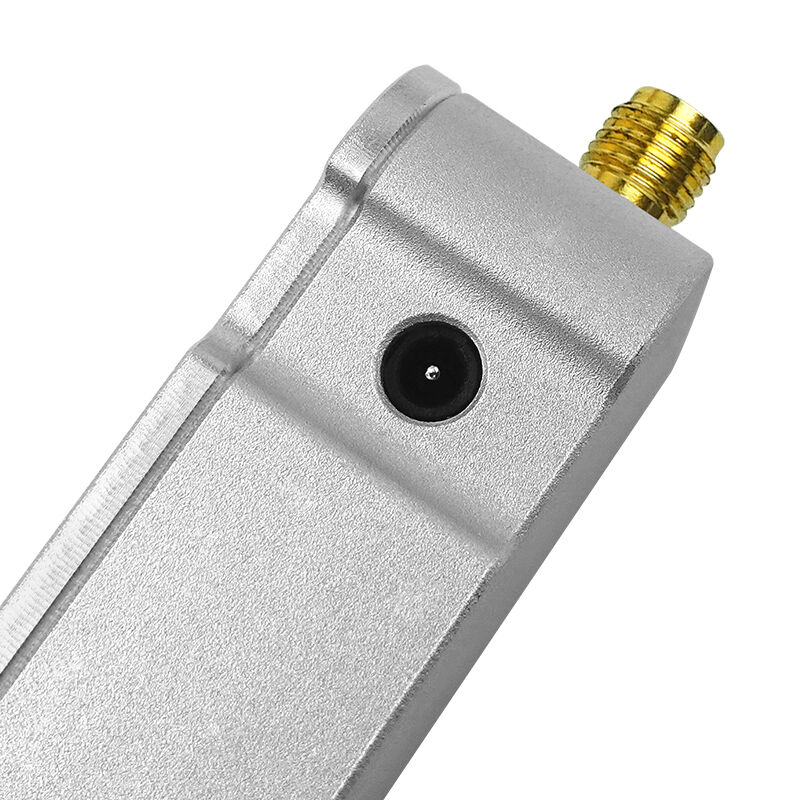
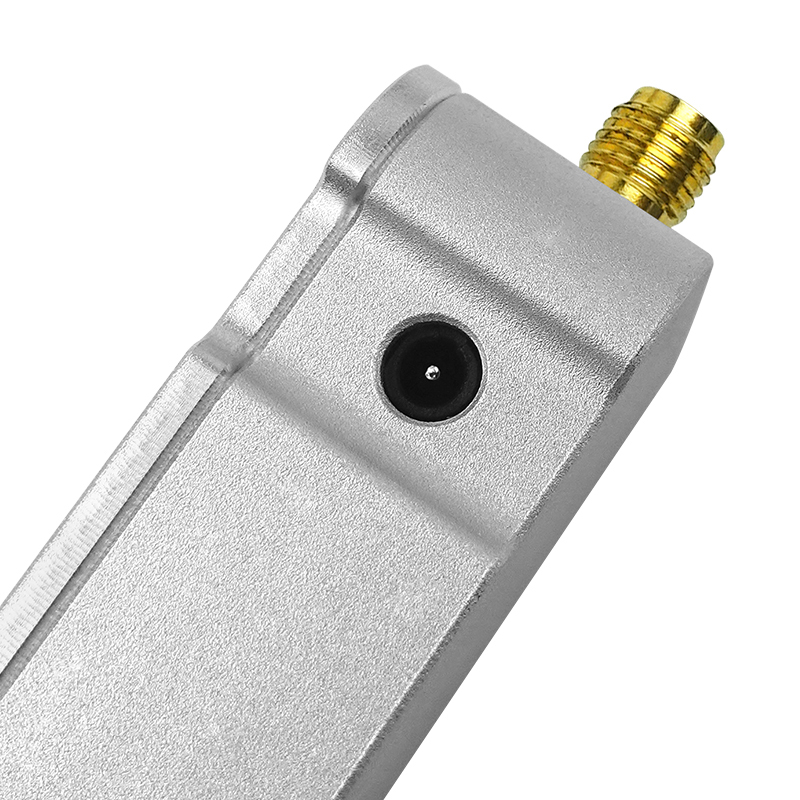
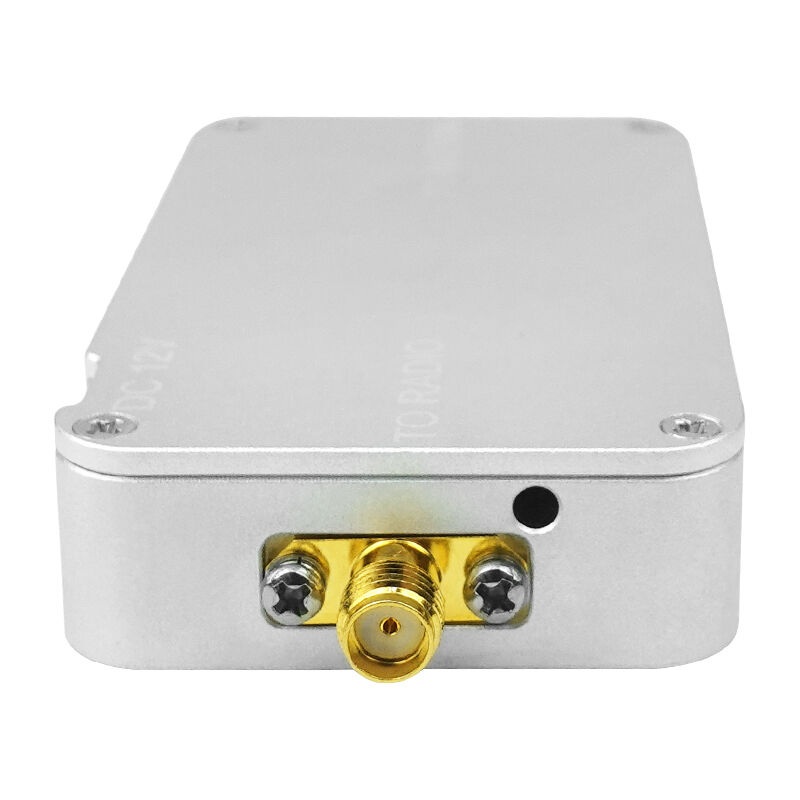
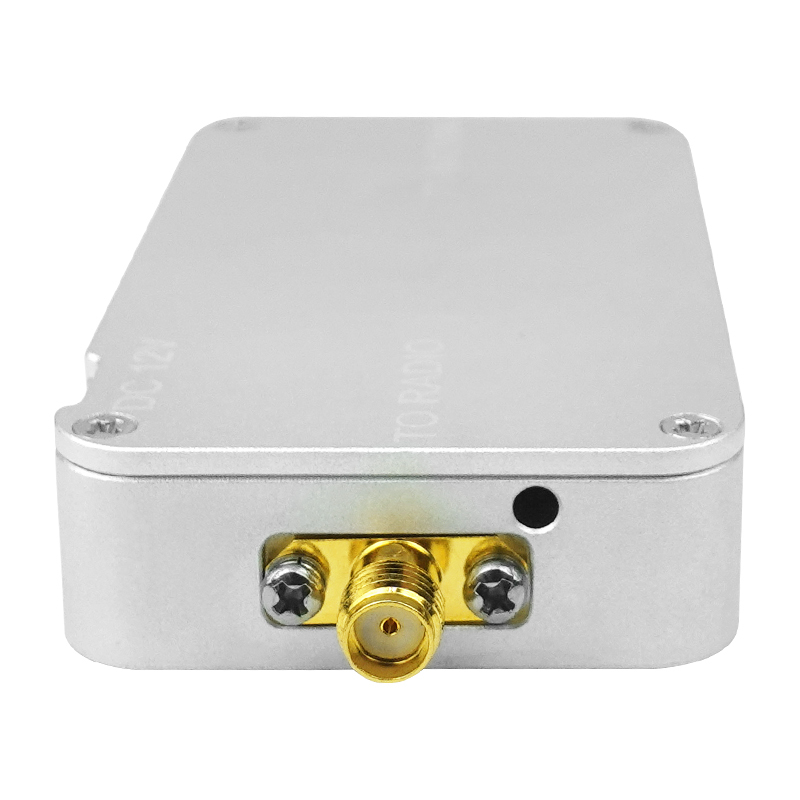
| Frequency Range: | 1420-1470MHz | Power: | 10W |
|---|---|---|---|
| Voltage: | 12-31V(Customized ) | Gain (Typ): | 40dB |
| Size: | 100*55*17mm | Weight: | 171g |
| Appliction: | High-definition Image Transmission Signal | Storage Temperature: | -40℃~+150℃ |
| RF Connector: | SMA-femle | ||
| Highlight: | 10W bidirectional power amplifier module,1420-1470MHz drone FPV signal booster,OEM power amplifier module for drones |
||
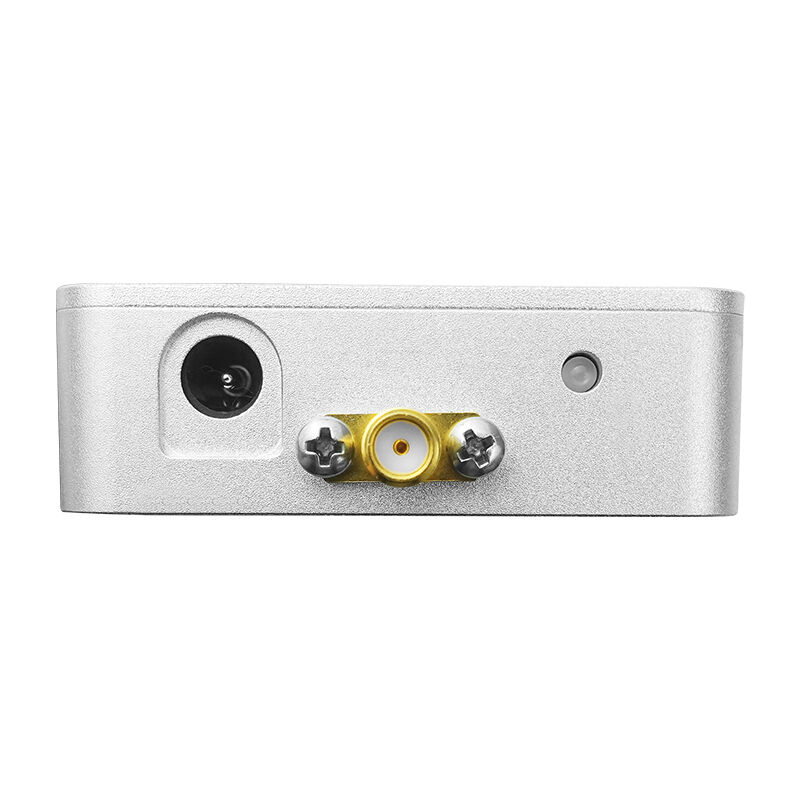
THSA27010S-1420~1470MHz is a TDD bidirectional single-channel power amplifier featuring one channel for transmitting and one channel for receiving. This product is specially developed for 1420~1470MHz wireless image transmission applications and complies with wireless image transmission standards. Utilizing leading single-carrier modulation technology, it offers extremely long air transmission distance and strong anti-interference capability, compatible with frequency extension technologies including direct sequence radio frequency (DSSS) and orthogonal frequency division multiplexing (OFDM).
| Functional Unit | Parameter | MIN | Typical | Max | Unit | Remark |
|---|---|---|---|---|---|---|
| General Requirements | Duplex Mode | TDD | ||||
| Operating Frequency | 1420 | 1470 | MHz | Customized | ||
| Supply Voltage | 12 | 24 | 31 | V | ||
| Operating Temperature | -40 | 70 | ℃ | |||
| Transmitter Specifications | ||||||
| Transmitter | Transmitter Gain | 10 | 20 | 40 | dB | Customized |
| Maximum Output Power (P1dB) | 47 | dBm | ||||
| Linear Output Power | 40 | dBm | EVM<3% | |||
| EVM@Pout=38dBm | -30 | dB | 802.11g 54Mbps OFDM 64QAM BW 20MHz | |||
| In-band Fluctuation | 0.4 | 0.5 | dB | |||
| Working Current | 1.6 | 1.8 | A | @Pout=40dBm, VCC=24V | ||
| Switching Delay | 2.5 | μs | ||||
| Receiver Specifications | ||||||
| Receiver | Receive Gain | 10 | 13 | 25 | dB | Customized |
| Noise Figure | 2.5 | 3 | dB | |||
| Working Current | 10 | mA | ||||
| In-band Fluctuation | 0.3 | dB | ||||
Heat Dissipation: For output power greater than 5W, enhanced heat dissipation is recommended through heat sinks or fans.
Connection Sequence: First attach the antenna, then connect the front-end source device, and finally supply power.
Voltage Matching: Always use the correct voltage matching the power amplifier specifications.