wideband 300-6000mhz omidirectional antenna

Other Videos
January 31, 2026
Category Connection: RF Parts
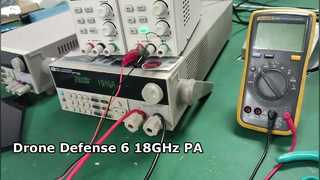
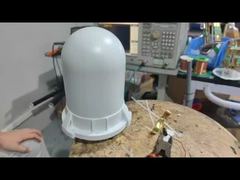
Brief: Watch as we walk through the full process, from initial setup to real-world testing of our wideband 300-6000MHz omnidirectional antenna. This video demonstrates its application in security systems for jamming radar, WiFi, mobile phone, and drone signals, showcasing its waterproof design suitable for both indoor and outdoor use in various environments.
Related Product Features:
  • Supports an ultra-wideband frequency range from 300 to 6000MHz for versatile signal jamming applications.
  • Features an omnidirectional design that radiates signals in a 360° pattern for comprehensive coverage.
  • Constructed with aluminum alloy material for enhanced durability and effective heat dissipation.
  • Includes a waterproof external design, making it suitable for both indoor and outdoor installations.
  • Capable of operating in extreme environmental conditions, ensuring reliable performance.
  • Supports customization for specific frequency bands including 2G, 3G, 4G, 5G, WiFi, VHF, UHF, and Lojack.
  • Ideal for use in venues requiring silence, confidentiality, and information security like conference rooms and banks.
  • Applicable in diverse settings such as museums, theaters, trains, and factories for signal management.
FAQs:
  • What frequency range does this omnidirectional antenna support?
    The antenna supports an ultra-wideband frequency range from 300MHz to 6000MHz, covering various signals like radar, WiFi, mobile phones, and drones.
  • Can this antenna be used outdoors and in harsh environments?
    Yes, it features a waterproof design and is built to withstand extreme conditions, making it suitable for both indoor and outdoor installations.
  • Is customization available for specific frequency bands?
    Absolutely, the antenna supports customization for special frequency bands including cell phone 2G, 3G, 4G, 5G, WiFi, VHF, UHF, and Lojack, among others.
  • Where is this antenna typically applied?
    It is used in places requiring silence, confidentiality, and information security, such as meeting rooms, museums, banks, trains, and factories, but field testing is recommended for sensitive locations like hospitals and gas stations.